
Apple iPhone 17 Pro Max vs Samsung Galaxy S26 Ultra (2026): the real differences that matter
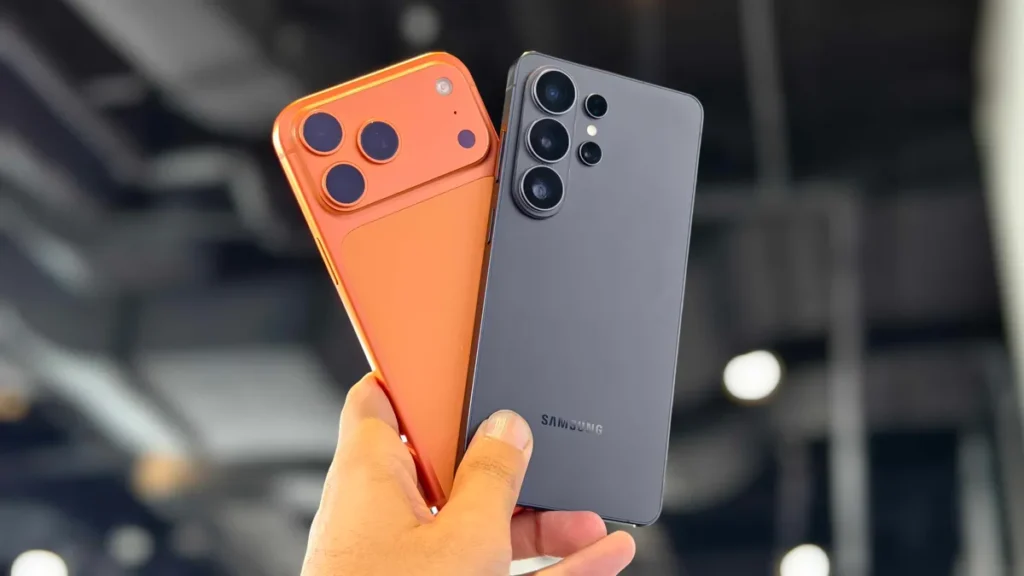
These two are the “no compromises” phones of early 2026: Apple’s iPhone 17 Pro Max and Samsung’s Galaxy S26 Ultra. On paper they look extremely close same 6.9-inch class, similar brightness, top-tier chips so the decision ends up being about workflow (photo/video), ecosystem, and small convenience features you’ll feel every day.
AppleInsider’s February 25, 2026 comparison frames it well: it’s a close race, but each phone has specific advantages depending on how you use it.
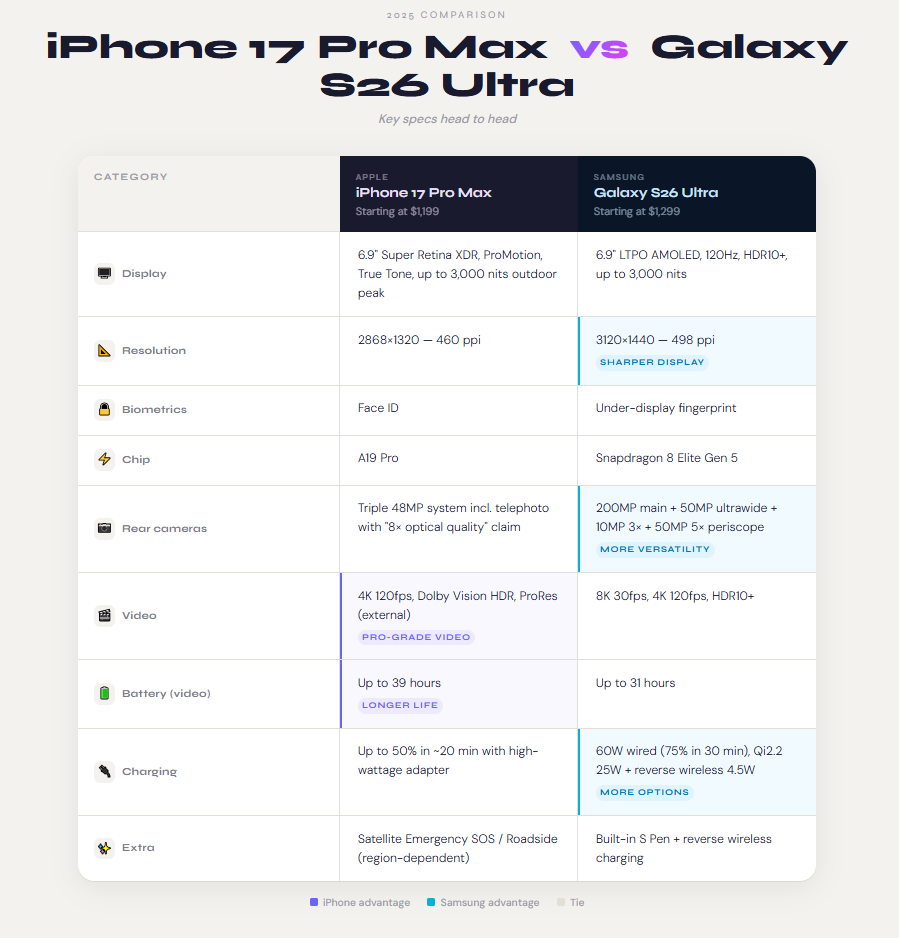
At-a-glance specs (what you’ll actually notice)
Design & feel: almost the same size, different priorities
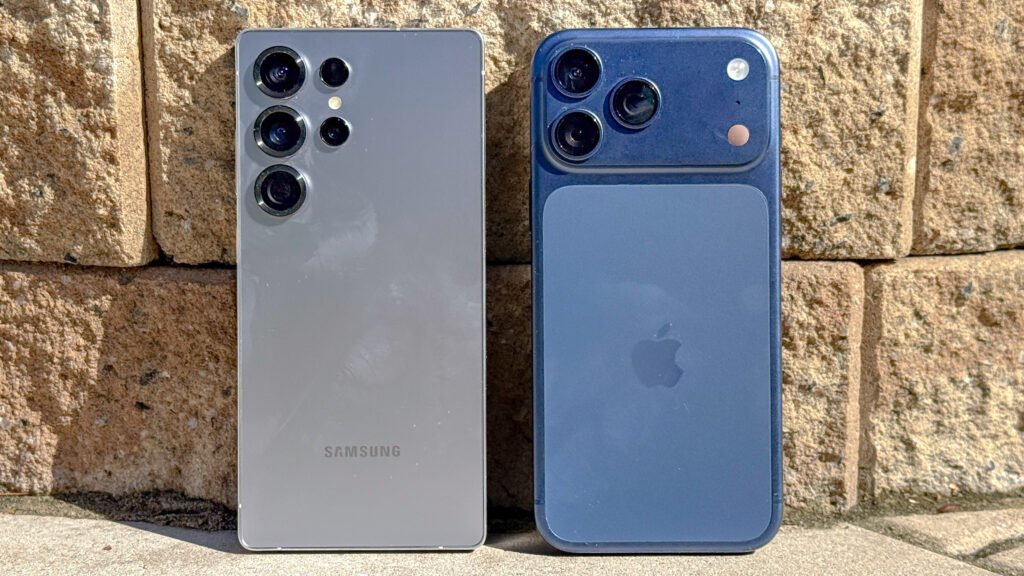
They’re basically identical in footprint, but the Galaxy is a hair thinner and lighter. AppleInsider lists the iPhone at 6.43×3.07×0.34 inches and 8.22 oz vs Samsung at 6.44×3.07×0.31 inches and 7.55 oz.
What matters: if you hate “big phone fatigue,” that weight gap is noticeable over long sessions (maps, camera, reading). If you use a case, the difference shrinks, but it doesn’t disappear.
Also interesting: AppleInsider notes both moved away from titanium frames to aluminum/alloy this generation.
That doesn’t automatically mean “worse,” but it does mean you should judge by durability + warranty + case choice, not marketing materials.
Display: Samsung wins the spec sheet, Apple wins the “it just looks right” factor
Samsung’s S26 Ultra has higher resolution (QHD+) and higher pixel density.
In practice, at 6.9 inches, most people won’t see the difference unless they’re pixel-peeping text at very close distance (AppleInsider says as much).
The real differentiator:
- Apple True Tone adjusts white balance to ambient light; Samsung doesn’t list it here.
- Privacy angle vs accuracy angle: Samsung is pushing privacy-display style features in 2026 coverage, while Apple leans into color consistency and system-wide calibration. If you’re often using your phone in public (commutes, flights), Samsung’s privacy approach is meaningful; if you edit photos/video and care about consistent color, Apple’s approach usually feels safer.
Cameras: Samsung gives you more hardware; Apple gives you more “cinema workflow”
Samsung’s advantage: flexibility + zoom hardware
Samsung’s setup is simply broader: 200MP main and two telephoto paths (3x and 5x periscope).
If you shoot concerts, travel details, street candids, or any scenario where you can’t move your feet, this matters more than almost anything else.
Apple’s advantage: video pipeline + pro formats
AppleInsider calls out Apple’s 4K 120fps HDR with Dolby Vision and ProRes with external recording support.
That’s not a spec flex: it’s a workflow advantage if you do content seriously (YouTube, TikTok but edited properly, client work, events). Dolby Vision + ProRes compatibility often means less friction from capture → edit → export.
The honest take
Megapixels don’t equal better photos by default. AppleInsider explicitly frames this as “both have narrow advantages” and suggests people who care should look at sample images.
So don’t fall into confirmation bias (“200MP must be better” or “iPhone always wins video”). The deciding factor is what you shoot:
- Mostly video + social content: iPhone advantage.
- Mostly photos + zoom + versatility: Samsung advantage.
Performance & on-device AI: stop arguing about cores, think about features you’ll use
Both are built for the “on-device AI” era. AppleInsider highlights Apple’s Neural Engine approach and Samsung’s Snapdragon NPU setup.
AppleInsider also references Geekbench context suggesting iPhone single-core tends to lead while Samsung may lead multi-core, but the bigger point is: real-world experience depends on thermals, sustained load, and software.
Actionable way to decide:
- If you care about creative AI tools tied into Android + Samsung’s ecosystem, Samsung’s Galaxy AI momentum is a practical reason to choose it.
- If you care about Apple’s ecosystem AI features working consistently across iOS/macOS workflows, iPhone is the safer bet.
Battery & charging: iPhone lasts longer (claimed), Samsung is more useful day-to-day
Apple states up to 39 hours video playback for iPhone 17 Pro Max.
AppleInsider lists 31 hours for S26 Ultra.
But Samsung counters with “quality of life” charging:
- 60W wired charging with aggressive “to 75%” time claims in some comparisons
- Reverse wireless charging (handy for earbuds)
Apple doesn’t really play this game on iPhone.
So the decision is simple:
- If you want max endurance and consistency, iPhone.
- If you want faster top-ups + charging other stuff, Samsung.
The two make-or-break features
1) S Pen (Samsung)
If you take notes, mark up PDFs, sketch, or do precise edits, the built-in stylus is a real advantage—and Apple doesn’t offer iPhone stylus support.
2) Ecosystem lock-in (Apple vs Google/Samsung)
This is where people lie to themselves. If you’re deep in:
- iMessage/FaceTime/AirDrop/Apple Watch/Mac, the iPhone experience is cohesive.
- Google services + customization + Samsung accessories, the S26 Ultra is more flexible.
Don’t pretend you’re “platform neutral” if you’re not. That’s lazy decision-making.
Which one should you buy?
- Shoot a lot of video, care about Dolby Vision/ProRes workflows
- Want the strongest battery life claims in this matchup
- Prefer Face ID and Apple’s ecosystem integration
- Care about zoom versatility and having more camera hardware options
- Want S Pen built in
- Value faster wired charging + reverse wireless charging
- Prefer fingerprint unlock and Android customization
FAQs
Is the Galaxy S26 Ultra display “better” than the iPhone 17 Pro Max?
It’s higher resolution on paper, but both are 6.9-inch 120Hz-class panels with similar peak brightness; differences are subtle unless you’re inspecting closely.
Which phone has the better camera?
Samsung offers more camera hardware and zoom paths; iPhone tends to win for video pipeline and pro formats. Your best move is to compare sample images in the styles you shoot.
Which lasts longer on battery?
Apple claims up to 39 hours of video playback on iPhone 17 Pro Max vs 31 hours listed for S26 Ultra in the comparison. Real life varies by use.
Does the S26 Ultra really charge faster?
It supports higher wired wattage and also offers reverse wireless charging, which iPhone doesn’t.
If you’re deciding between Apple and Samsung right now, start with our current-gen comparison: iPhone 16 Pro Max vs Galaxy S25 Ultra.
https://limitedtime.co/iphone-16-pro-max-vs-galaxy-s25-ultra/