
What Is Caller Spoofing? Meaning, Examples, and How to Stop It
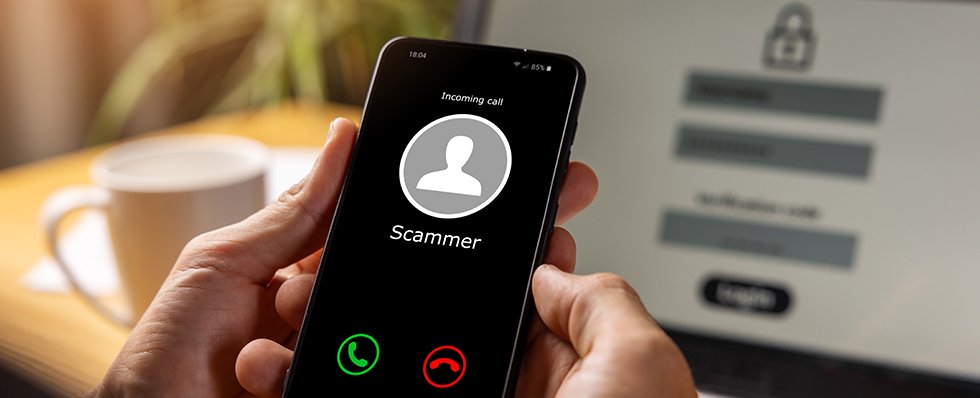
Caller spoofing is one of the most common tricks used in phone scams because it makes fake calls look real. Instead of calling from an obvious unknown number, scammers manipulate the information shown on your screen so the call appears to come from a local number, a trusted business, a government agency, or even someone you know.
That is why so many people search for terms like caller spoofing, phone spoofing, call spoofing, or call ID spoofing. The scam is simple in theory, but effective in practice because people still trust what appears on their phone screen more than they should.
Caller spoofing is often used as part of broader phishing attacks, especially when scammers try to create urgency and gain trust before asking for sensitive information.
Caller spoofing meaning: what it actually is
Caller spoofing means falsifying the caller ID information that appears on a phone when someone receives a call. In simple terms, the caller is not really calling from the number shown on the screen.
This is why the scam works. A person may ignore an unfamiliar number, but they are much more likely to answer if the call looks local or appears to come from a bank, support desk, public institution, or known contact.
That is the core spoofing meaning in this context: manipulating identity signals to create false trust.
How caller ID spoofing works
Works by changing the number and name data transmitted during a call. The scammer chooses what appears on the victim’s screen, even though it does not reflect the true source of the call.
This tactic is often used to make calls appear:
- local
- official
- urgent
- familiar
- less suspicious
That is why call ID spoofing is so dangerous. People often assume the phone number shown to them proves where the call came from. It does not.
Common spoof calls examples
Spoof calls often follow familiar patterns. The goal is usually to create urgency, fear, or pressure so the victim reacts too quickly.
Common spoofing call examples include:
- fake bank fraud alerts
- calls claiming there is suspicious activity on your account
- tax or government payment threats
- fake tech support calls
- delivery or billing problems
- calls pretending to be police or legal authorities
- fake employer or manager requests
These scams work because they copy situations people already recognize. That makes spoof calls more believable than random cold calls.

Caller spoofing vs vishing
People often mix up caller spoofing and vishing, but they are not the same thing.
Caller spoofing is the fake identity method.
Vishing is the voice phishing scam that uses that fake identity to trick someone.
For example, if a scammer makes a call look like it came from your bank, that is caller spoofing. If the caller then persuades you to reveal account information or transfer money, that full attack becomes vishing.
This matters because spoofing is often what makes vishing believable.
Why phone spoofing is so dangerous
Phone spoofing is dangerous because it exploits trust in a communication channel most people still treat as personal and direct. A spoofed email may be ignored, but a spoofed call often feels more urgent.
It is also effective because many victims do not realize that caller ID can be manipulated so easily. They assume a familiar-looking number means the caller is legitimate.
This is why cybersecurity awareness matters so much: people need to know that a familiar-looking phone number is not proof that a call is legitimate.
How to stop spoofing calls
The best defense against caller spoofing is to trust verification, not appearance.
Here are the most useful habits:
- do not trust caller ID on its own
- hang up if the call feels rushed or threatening
- call the organization back using its official number
- never share passwords, codes, or payment details on unexpected calls
- do not act on pressure
- block and report suspicious numbers
- warn employees if your business is targeted
For businesses, training matters here too. Employees should know that a familiar number is not proof of identity.
Final thoughts
If you were wondering what caller spoofing means, the simplest answer is this: it is when scammers fake the number shown on your phone to make a call look legitimate.
The better you understand caller spoofing, phone spoofing, and spoof calls, the easier it becomes to avoid being manipulated by fake urgency and false trust. In most cases, the safest move is simple: stop, verify, and call back through an official number.