
Gemini’s Agentic New Era Is Here But How Much Should You Actually Trust It?
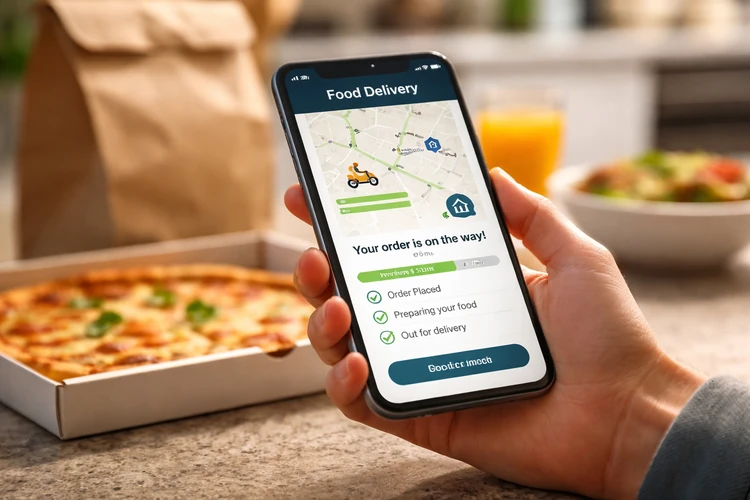
Google just flipped the switch on something that sounds futuristic but is already rolling out on your phone. Gemini can now book a ride, place a DoorDash order, and navigate apps on your behalf without you lifting a finger after the first command. Announced at Samsung’s Galaxy Unpacked 2026 event on February 25, the feature is launching in beta on the Pixel 10 series and Samsung Galaxy S26, initially for users in the US and South Korea.
It sounds like science fiction. It’s very much happening right now. But before you hand over your credit card to an AI, there are things you need to understand about how it actually works, what it can’t do yet, and the real privacy trade-offs involved.
What “Agentic” Actually Means And Why It’s Different
For years, AI assistants have been advisory. You ask, they answer. Gemini would suggest a restaurant; you’d open the app yourself. That’s over.
Agentic AI means the model doesn’t just respond it acts. Gemini’s new automation feature runs supported apps inside a secure virtual window on your phone, invisible to the rest of your device. It scrolls, taps, types, and completes tasks just like a human would while you go back to doing whatever you were doing.
The trigger is simple: long-press the power button and tell Gemini what you want. “Order my usual from DoorDash.” “Book me an Uber home at 6pm.” Gemini handles the navigation inside the app, and you get a notification when it’s done or when it needs your confirmation before finalizing a payment.
If you are comparing free AI tools before deciding what to use long term, you can also read our GPT-5 vs Gemini 2.0 vs Claude 4 comparison to see how the biggest AI models stack up in 2026.
How It Works Under the Hood
Google has been careful to frame this around privacy and user control, and the architecture reflects that:
The virtual window is the key innovation. Gemini doesn’t get access to your whole phone. It runs the target app in an isolated environment, processes what it sees in the cloud, and acts accordingly. You can watch it work live or ignore it entirely.
You stay in control. Every automation starts with your command and stops when the task finishes. You can jump in or cancel at any point via persistent notifications. For anything involving a purchase, Gemini pauses for your final approval before charging.
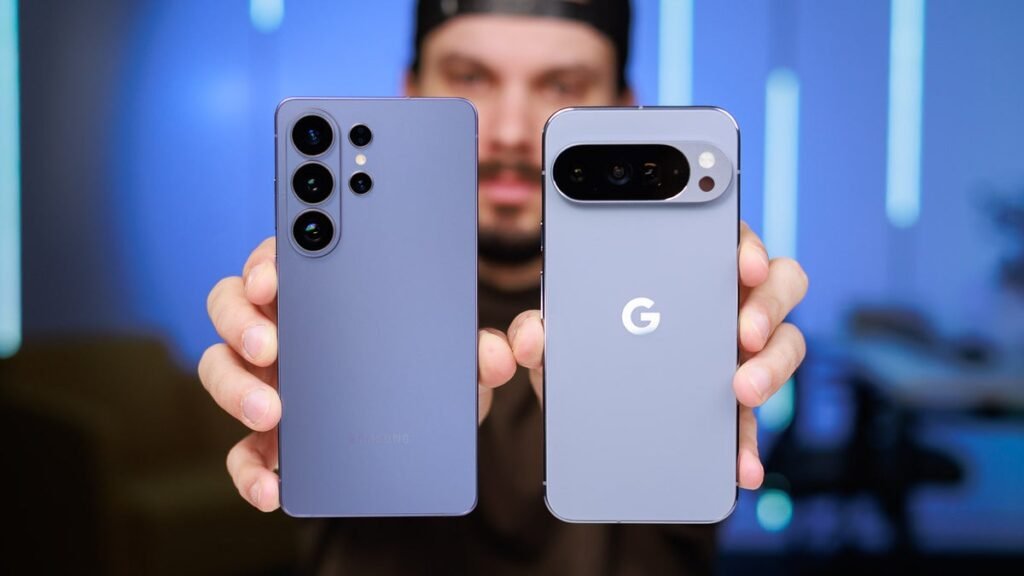
Supported apps at launch are limited to food delivery (DoorDash, Grubhub), grocery services, and rideshare (Uber). That’s a narrow lane intentionally. Google is stress-testing the system before opening it to third-party developers broadly.
The Privacy Debate: Useful Tool or Surveillance Risk?
Here’s where reasonable people disagree. Giving an AI the ability to operate apps on your phone and process your activity in the cloud requires a significant level of trust. Google says the virtual window is isolated and processing is separate from your main device environment. Critics point out that “cloud processing” means your order history, location data, and in-app behavior are flowing through Google’s infrastructure.
The case for trust: Google’s financial model depends on not breaking user trust. The virtual window architecture is a real technical constraint on what Gemini can access. The feature is 18+ only, opt-in, and sandboxed by design.
The case for caution: Cloud processing means data leaves your device. Agentic AI that can execute financial transactions is a new attack surface. Early betas always have unforeseen edge cases. The system’s accuracy in real-world conditions not controlled demos remains to be seen.
The honest answer is that the risk level depends on how you use it. Automating a $15 DoorDash reorder carries different stakes than eventually automating banking or healthcare tasks that more capable future versions might handle.
What’s Missing Right Now
The beta is deliberately limited, and there are meaningful gaps worth knowing:
- Only works on Pixel 10 and Galaxy S26 no broader Android rollout timeline confirmed yet.
- App support is narrow. Food, groceries, rideshare only at launch. No banking, travel booking, or social media yet.
- US and South Korea only for the initial beta.
- No scheduling or recurring tasks you trigger each automation manually.
- Accuracy in real-world conditions is unproven. Google’s controlled demos look polished; messy real-world apps with login prompts, pop-ups, and dynamic layouts are another story.
Why This Matters Beyond Convenience
Gemini’s move into agentic territory puts it in direct competition with what Anthropic and OpenAI have been building for enterprise users except Google is bringing it to consumer pockets. ChatGPT has scheduled tasks and a computer-use agent. Anthropic has agentic workflows via Claude. Google is betting it can win by putting agents on the device, at the OS level, on hardware it either makes or partners with.
That’s a structural advantage that cloud-only competitors can’t easily replicate. If this beta succeeds, expect Gemini to expand into travel, retail, and financial services apps within 2026 and for Apple to face serious pressure to deliver something comparable from Siri.
Final thoughts
Gemini’s agentic automation is a genuine step forward in how AI interacts with your daily life. The virtual window architecture and user confirmation requirements are thoughtful privacy guardrails. The limitations are real but expected for a first beta. If you’re on a Pixel 10 or Galaxy S26 in the US, it’s worth trying with eyes open about what data flows through Google’s cloud.
For everyone else: this is the preview of where all mobile AI is going in the next two years. Pay attention.
Pingback: Is ChatGPT Free? What You Can Do Without Paying